F4
all holes covered
Sopranino recorder · Baroque fingering
The sopranino recorder is an F instrument — the same fingerings as the alto, an octave higher. Tap a note to see which holes to cover and hear the pitch. Every note from F upward.
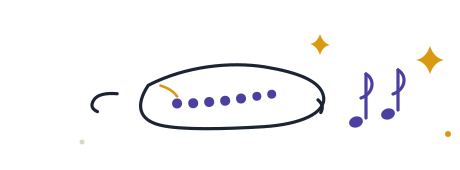
First octave — gentle, steady breath
Second octave — open, then pinch the thumb
Top register — advanced
The sopranino is an F instrument, an octave above the alto, so every fingering here is the standard Baroque pattern from the soprano chart applied a fifth lower and an octave higher — the same fingerings as the alto chart. We transcribed those patterns from the American Recorder Society's published soprano chart and checked them note-by-note against the Yamaha Musical Instrument Guide; the two sources agree. The diagrams were redrawn by us from scratch, not scanned from a printed chart.
The chart is maintained by SKY AND WIND. If something looks wrong, use the report a fingering link under any note — we will verify it and update the chart when it is wrong.
Take it to the music room
Every fingering above on a single sheet. Print it, or download the PDF and keep it in your case.
Reading the diagram
The sopranino recorder is an F instrument, so the fingering is exactly the alto's — which in turn is the soprano pattern transposed a fifth. Seven holes down the front and one thumb hole on the back; the left hand covers the thumb hole and holes 1–3, the right hand covers holes 4–7. If you are new to reading these diagrams, the how-to-read guide on the soprano page applies unchanged.
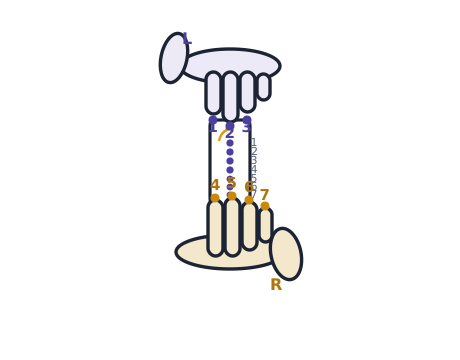
The sopranino is the smallest recorder most players will meet outside a collector's cabinet, and its holes sit closer together than on any other common size. Where a bass punishes a short reach, a sopranino punishes a heavy touch — let the fingertips rest lightly and close each hole with the pad, not the tip, or neighbouring holes will catch each other.
Small does not mean loud. The sopranino speaks on very little air, and the top register turns shrill fast if you push it — a slow, steady stream from low in the breath controls it far better than a hard puff.
A sopranino sounds an octave above written pitch; the alto sounds as written. The note names on this chart are the same as the alto's, an octave higher in sound.
Every finger pattern is identical. What changes is the size of the reach and the pitch that comes out — the sopranino asks for smaller movements and a lighter touch than the alto. If you can play the alto, you already know this chart.
The sopranino tops the recorder consort and carries the treble line above a soprano or alto ensemble. It is also the instrument usually meant by Vivaldi's flautino concertos (RV 443–445), and it turns up in Irish and Scottish traditional playing as a way to take a tune up an octave.
Two fingering systems
Sopranino recorders are built in the same two fingering systems as sopranos, and the same test works: look for the letter stamped near the thumb hole — B for Baroque (English), G for German. Nearly all instruments and method books are Baroque, and the chart on this page is Baroque. German sopraninos are rare enough that most players will never meet one.
For the full comparison — hole sizes, the fork F, what German changes and which to buy — see the Baroque vs German section on the soprano page.
Common questions
Yes, exactly. Both are F instruments, so every fingering on this chart is the same pattern you use on an alto — the sopranino just sounds an octave higher.
Because it is one of the smallest recorders in common use — the whole body is scaled down to reach that higher octave. Rest your fingertips lightly and seal each hole with the pad rather than pressing hard, or you will catch the hole next to it.
Not quite. "Piccolo recorder" is an informal, inconsistent label some sellers use for either the sopranino or the smaller garklein — it is not a standard size name. If a listing calls something a piccolo recorder, check the lowest note: F means sopranino, C an octave above soprano means garklein.
It tops the recorder consort, and it is the instrument usually intended by Vivaldi's flautino concertos. Outside classical repertoire, it also shows up in Irish and Scottish traditional music as a way to play a tune an octave up.
Sealing holes, squeaks, cleaning and the high notes are the same subject on every recorder size — those answers live in the soprano page FAQ.
Corrections
Tell us and we will check it. Every fingering on this page is the soprano pattern transposed to F — transcribed from the American Recorder Society's published chart and checked note-by-note against the Yamaha Musical Instrument Guide. Transcription is done by humans and humans miss things.
Email hello@recorder-chart.com — or use the link under any note on the chart, which fills in the note name for you. We will verify your report against the published charts and update the page if it turns out to be wrong.
Sources: the sopranino is an F instrument and we found no widely circulated printed sopranino chart to consult, so these fingerings are the American Recorder Society Fingering Chart for Soprano (or Tenor) Recorder, Baroque (English) Fingering transposed to F, checked note-by-note against the Yamaha Musical Instrument Guide Baroque soprano chart. Diagrams on this page are drawn from scratch and are not reproductions.